






CVC Words for Kids, a Daily 10 Minute Routine for Home

Riya is five. She knows the sounds of most letters, she can sing the alphabet song in two languages, and she loves pointing at letters on shop boards. Yet when her mother writes “pig” on a slate, she looks at it, looks at her mother, and says “pink?” This is the exact stage where CVC words for kids come in, and where a short daily routine can do more than an hour of weekend practice.
CVC stands for consonant, vowel, consonant. Words like cat, pen, sit, hop and bus. Each letter makes one clear sound, the vowel in the middle is short, and there are no tricky rules. They are the first real words most children learn to read by sounding out.
Why three letter words come first
A child learning to read needs early wins. CVC words give them. Because every letter behaves itself, a child who knows the sounds can work out the word on their own. That moment of reading a word without help is what builds the belief that reading is possible.
Short vowel words also train the ear. The difference between pan, pen and pin is only the middle sound. When a child learns to hear and read that difference, they are building a skill they will use in every longer word later.
Do not start with the whole alphabet. A handful of sounds is enough. Many parents begin with s, a, t, p, i and n, because those few letters already make a surprising number of words, like sat, pat, tap, pin, tin, sit, nap and pan.
A 10 minute routine for CVC words for kids
Ten minutes, once a day, at the same time. That is the whole plan. Here is how those minutes can be split.
- Two minutes of sound warm-up. Say four or five letter sounds and let your child repeat them. Then point at the letters and let your child say the sounds alone.
- Three minutes of blending. Write a CVC word on a slate or paper. Your child says each sound, then says them again faster until the word appears. Do three or four words.
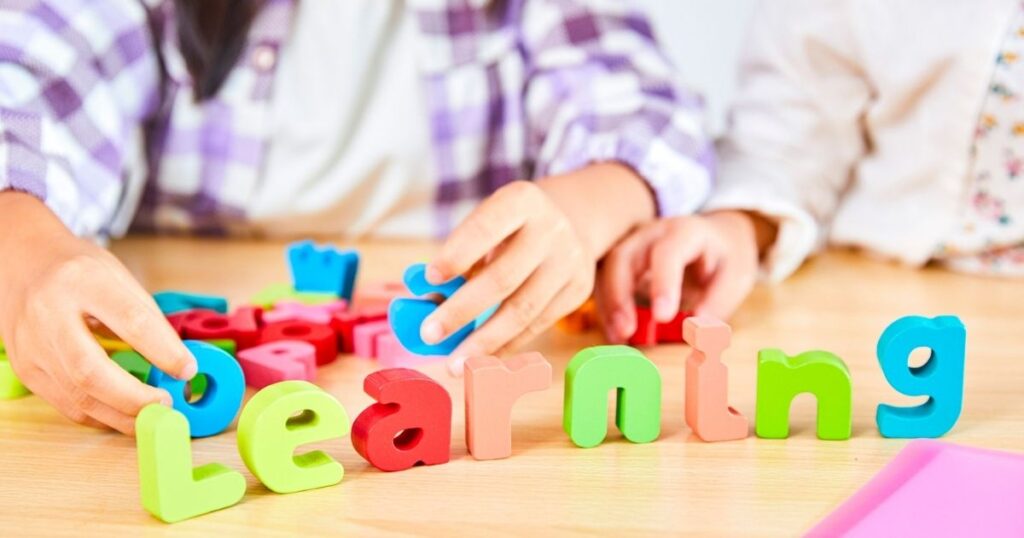
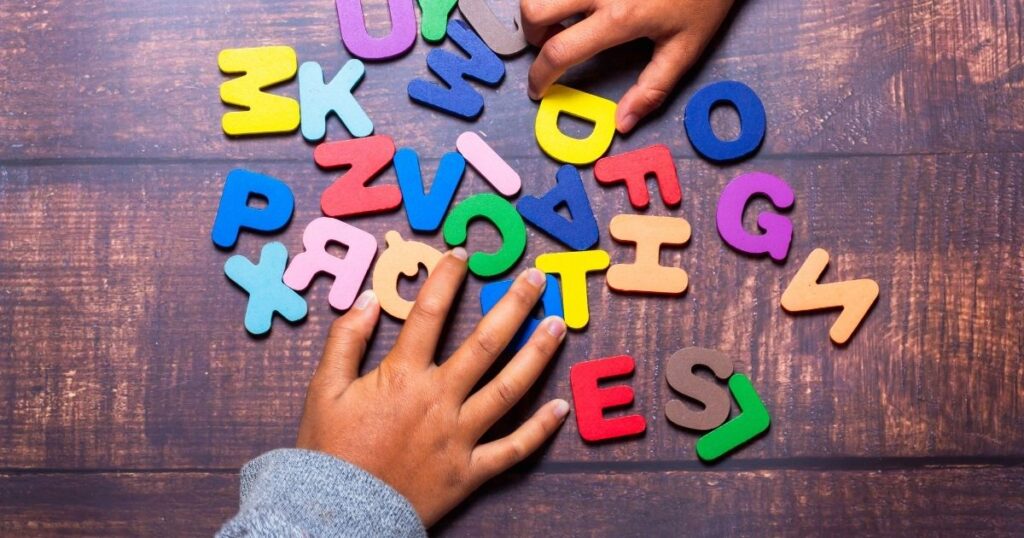
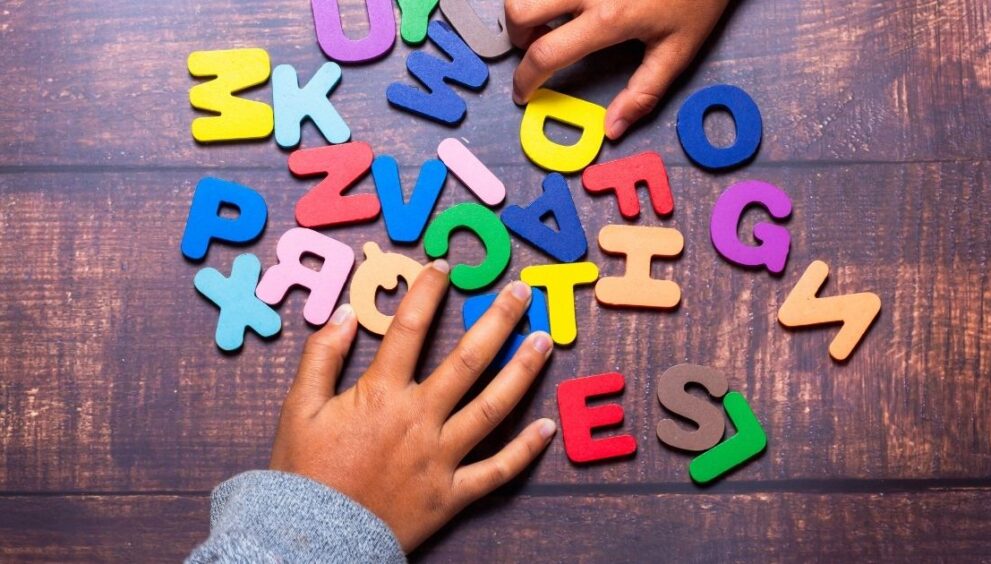
- Two minutes of building. Use letter cards, magnetic letters or even chits of paper. Say a word and let your child build it. Then change one letter, turning cat into hat or hat into hot, and ask what the new word says.
- Two minutes of reading a short line. Write a tiny sentence using words they know, like “a cat sat” or “the pig is fat”. The word “the” can be taught as a word to know by sight.
- One minute to finish. Let your child choose one word to read to someone else in the house, maybe a grandparent or an older sibling. That small show at the end matters more than you would think.
That is it. Stop at ten minutes, even if it is going brilliantly.

Keeping it fresh across the week
Children get bored of the same format. Keep the routine but change the setting.
On one day, write words on the steps with chalk and let your child jump on the word you call out. On another, hide word cards under cushions. Use the steel plates in the kitchen as a sorting game, with one plate for words with a and another for words with i. On a car or auto ride, play “I am thinking of a word that starts with m and rhymes with cat.”
Rotate the vowels slowly. Spend a few days mostly on short a, then bring in short i, then mix them. Short e and short u can come after. Short o often needs extra care in Indian homes, because our everyday pronunciation can lean towards a longer sound. Say hot and pot clearly and crisply.
When your child gets stuck
Some children can say each sound but cannot hear the word when they blend. If that happens, shorten the gap between sounds. Say “c…a…t” and then “ca…t” and then “cat”. Some children find it easier to blend the first two sounds before adding the last one.
Others guess from the first letter. They see p and say “pencil”. Gently cover the word and reveal one letter at a time with your finger, so they have to look at each sound.
If your child is tired or upset, skip the day without guilt. Reading practice at home is a habit built over months, not a test that has to be passed every evening.

Also read
Start learning with Honey Maheshwari
For a guided path through CVC words and beyond, A Strong Foundation for Reading and Speaking Skills is a recorded, day-wise course for kids that works on phone or laptop. The 100 Printable Worksheets PDF and the All About Phonics Book Level 1 give extra practice. Contact Honey Maheshwari on +91 86795 44344 or ma**@*************ri.in, or see the courses on honeymaheshwari.in.

livelihoodparenting