






Honey Maheshwari Phonics, the Method Explained Step by Step

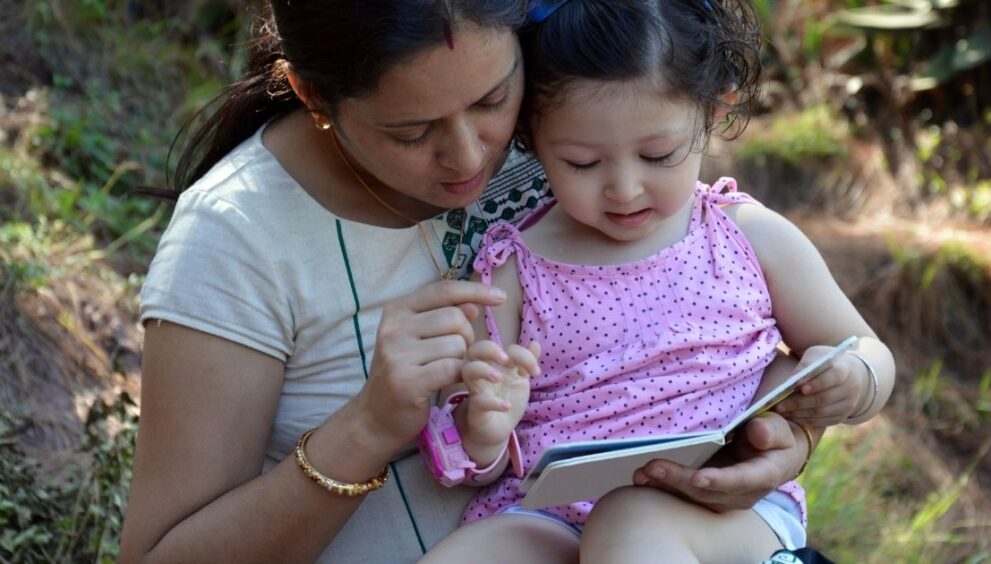
Reading is not a talent some children are born with. It is a skill, and skills are built in small steps. That one belief sits underneath everything in Honey Maheshwari phonics, and it is why parents who felt helpless at the start often find themselves surprised a few weeks later when their child reads a word off a cereal box without being asked.
Honey Maheshwari is a parenting coach and phonics trainer, and through Livelihood Parenting she has worked with families across India since 2016. Her focus is narrow on purpose. She wants mothers, fathers and teachers to understand how reading is built, so they can guide children at home instead of depending only on school. This post lays out the general path her approach follows, one step at a time.
Step one in Honey Maheshwari phonics, the parent learns first
Most phonics programmes start with the child. This one leans on the parent too. A mother who understands why the letter c sometimes says k and sometimes says s will explain it calmly. A mother who is guessing will pass on her own confusion.
That is why there are courses meant for adults, like the Live Phonics Course for mothers and teachers and the Recorded Phonics Course for Mothers. They are not about turning a parent into a schoolteacher. They are about giving her enough clarity that she can answer the questions a curious five year old will throw at her in the middle of a car ride.
Step two, sounds before names
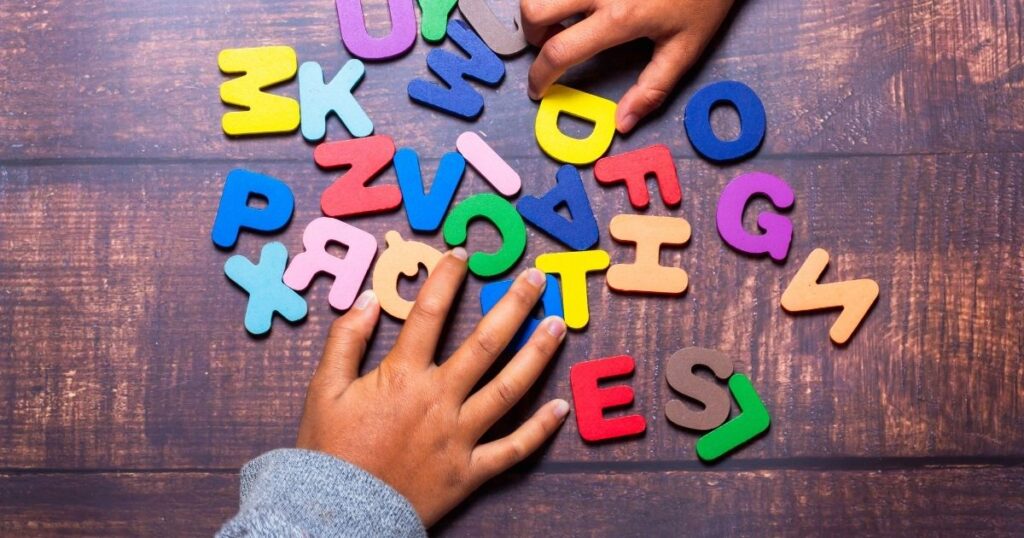
Children in most Indian homes learn the alphabet as names first. A, B, C, said in a sing-song. There is nothing wrong with knowing the names, but names do not help a child read. The name of the letter h is “aitch”, and nothing about “aitch” tells a child how to read hat.
So the first job with a child is the sound each letter makes. The sound of s is a hiss. The sound of m is a hum. The sound of t is a short tap of the tongue. A step by step phonics approach spends real time here, because every later step stands on it. Clean sounds matter here too, without the extra “uh” that creeps in when adults say “buh” for b.
Step three, blending into words
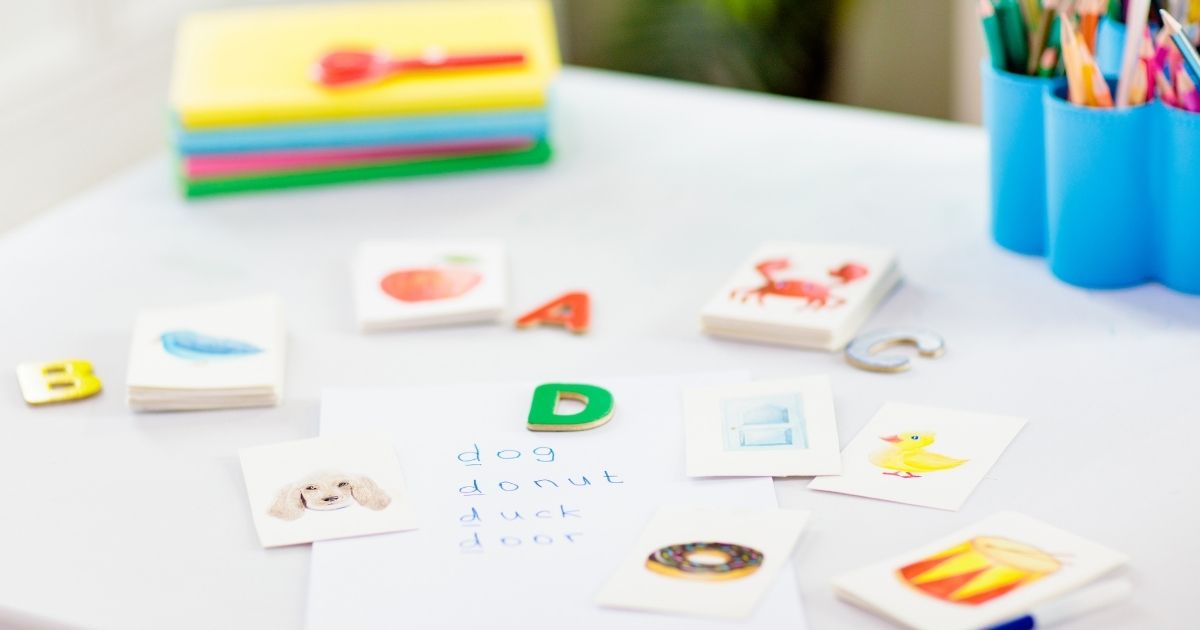
Once a child knows a handful of sounds, they can start joining them. This is blending, and for many children it is the moment reading clicks. You say the sounds of c, a and t slowly, then faster, and suddenly the child hears cat.
Short three-letter words are the natural starting point, because each letter makes one clear sound. A good phonics method for kids gives plenty of these words, and gives them in a sensible order so the child is never asked to blend a sound they have not learnt yet. The day-wise structure of the recorded kids’ course, A Strong Foundation for Reading and Speaking Skills, is built around this kind of steady pace, one small piece each day rather than a pile at once.
Step four, letter teams and rules
English is not perfectly regular, and children notice quickly. Why does sh make one sound when s and h make two? Why does the e at the end of cake stay quiet? These patterns are taught as small, named rules so that a child is not left feeling that reading is random.
This is the stage where many home learners get stuck, because the adult in the house has never been taught the rules either. The Phonics Rule eBook exists to put those rules in one place, and the Advanced Phonics Practice Words and Worksheets give extra words to practise once a rule makes sense.
Step five, reading and speaking together
Phonics is often treated as a reading tool only, but the name of the kids’ course is a clue to the bigger aim. A strong foundation for reading and speaking skills means that a child who sounds out words carefully also starts saying them more clearly. In homes where Hindi is the first language and English comes mostly from school, this matters a great deal. A child who can hear the difference between v and w, or the short a in cat and the long a in cake, speaks with more confidence too.
So the last step is not really a step. It is daily use. Reading signboards on the way to school. Reading the names on biscuit packets. Reading a simple storybook aloud to a younger cousin. Every time a child does this, the earlier steps get stronger.
The pace is set by the child, not the calendar. Some children move through blending in a fortnight. Others need two months. The rule of thumb is simple. Stay longer on the step where your child is wobbly, and do not move on because a worksheet or a neighbour says it is time.
Also read
Start learning with Honey Maheshwari
If you want to follow Honey Maheshwari phonics with your child, A Strong Foundation for Reading and Speaking Skills is the recorded day-wise course for kids, and it works on a phone or laptop. Mothers who want to learn the method themselves can choose the Live Phonics Course or the Recorded Phonics Course for Mothers. Call +91 86795 44344, email ma**@*************ri.in, or see the courses on honeymaheshwari.in to pick the right starting point.
livelihoodparenting