










Phonics Sounds A to Z, the Way Children Should Really Hear Them

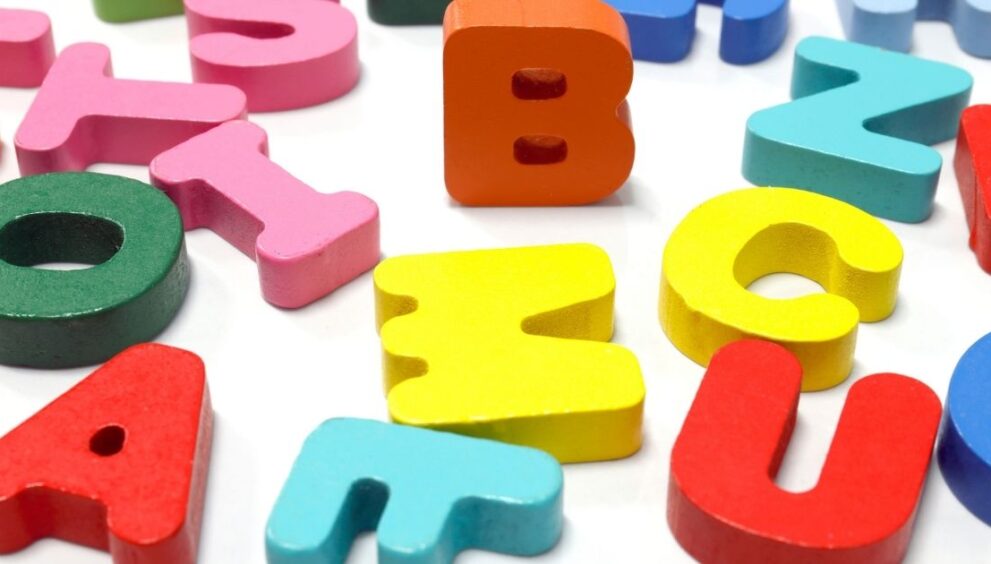
Here is a quick test. Say the sound the letter “b” makes. Did you say “buh”? Almost everyone does. And that small extra “uh” is one of the main reasons children find it hard to blend sounds into words.
Getting phonics sounds A to Z right is less about memorising a chart and more about saying each sound cleanly. This guide goes through the alphabet in groups, with the slips parents most often make.
Why the way you say a sound matters so much
When a child blends, they join sounds together. If each sound carries an extra “uh,” the word “bat” turns into “buh-a-tuh,” which sounds nothing like “bat.” The child can follow every step correctly and still not hear the word.
Teachers call clean sounds “pure sounds.” Pure sounds phonics just means saying the sound with as little extra as possible. It feels odd at first, especially for adults who learned the alphabet differently, but it makes blending far easier for children.
The stretchy sounds you can hold
Some letter sounds can be held for as long as you have breath. These are the easiest to say cleanly and are great for starting.
- f as in fan, a soft “fff”
- l as in leg, “lll”
- m as in mat, “mmm” with lips closed
- n as in net, “nnn”
- r as in rat, “rrr,” without rolling it like a Hindi “र” too strongly
- s as in sun, “sss” like a snake
- v as in van, “vvv”
- z as in zip, “zzz” like a bee
If your child is just starting, letter sounds for kids from this group tend to go in smoothly.
The bouncy sounds you cannot stretch
Other sounds are short bursts. You cannot hold them, so the trick is to keep them as short and quiet as possible.
- b, d, g. Say them quickly with almost no voice after the burst.
- p, t, k. These are whispered. No “puh,” “tuh,” or “kuh,” just a small puff of air.
- c makes the same sound as k in words like cat and cup.
- j as in jug and h as in hat. Keep h especially soft, almost just breath.
A useful habit is to put your hand in front of your mouth. For p and t you should feel a tiny puff, nothing more.

The five short vowels
The vowels a, e, i, o and u each have a short sound that children meet first.
- a as in apple
- e as in egg
- i as in insect
- o as in octopus
- u as in umbrella
The short e and short i are the pair that confuses children most, especially in many North Indian homes where the two can sound close in everyday speech. Exaggerate the difference a little when you practise. “Eh” for egg, “ih” for insect.
The few odd ones out
A handful of letters behave a little differently. “Q” almost always travels with “u” and together they say “kw,” as in queen. “X” at the end of a word says “ks,” as in box. “W” is a quick “wuh” with rounded lips, and “y” at the start of a word sounds like the start of “yes.”
These are best taught after a child is comfortable with the more regular sounds.
Practise with the house, not a chart
Charts are useful, but children learn sounds faster when sounds are attached to real things. Pick one sound a day. Walk around the house finding objects that start with it. Say the sound, then the word, then the sound again. “Mmm, mug, mmm.”
By the end of a few weeks, the alphabet sounds will feel natural to both of you.

A quick self check for parents
Before you teach sounds to your child, try a small test on yourself. Record yourself on your phone saying the sounds for b, d, t, p, m and s. Play it back. Can you hear an extra “uh” after any of them? If so, practise them a few times until they come out short and clean.
This takes two minutes and saves weeks of confusion later. Your child will copy exactly what they hear from you, so getting your own sounds right is the most useful preparation you can do. It also helps to agree on the sounds with anyone else who helps with homework, such as a grandparent or an older sibling, so the child hears one consistent version at home.
Also read
Call to action
Honey Maheshwari’s My Alphabets Sound Fun Book and the All About Phonics Book Level 1 are made for practising letter sounds at home. Find them at honeymaheshwari.in, or call +91 86795 44344 for guidance.
livelihoodparenting

