


















How to Teach a Child to Read at Home Before Class 1


Many parents feel a quiet pressure as Class 1 gets closer. Other children seem to be reading already. The school expects some readiness. And everyone has an opinion about the “right” age.
Here is a more relaxed view. Most children can learn to read at home with short daily practice, a clear order of steps and a parent who stays patient. You do not need to be a teacher. You need a plan. This is one way to approach how to teach a child to read at home, broken into stages you can move through at your child’s pace.
Stage one is listening, not letters
Before a child reads, they need to hear that words are made of sounds. Rhymes, songs and word games build this. Clap the beats in a name. Ask which word starts with the same sound as “ball.” Play with words that rhyme with “cat.”
If your child is three or younger, this stage alone is plenty. It may not look like reading, but it is the ground everything else grows on.
Stage two is a handful of letter sounds
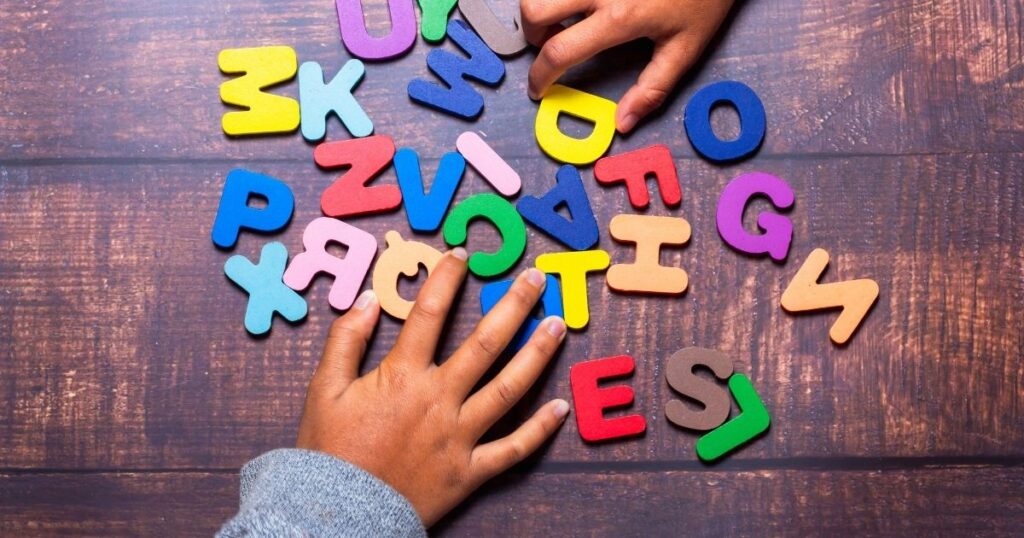
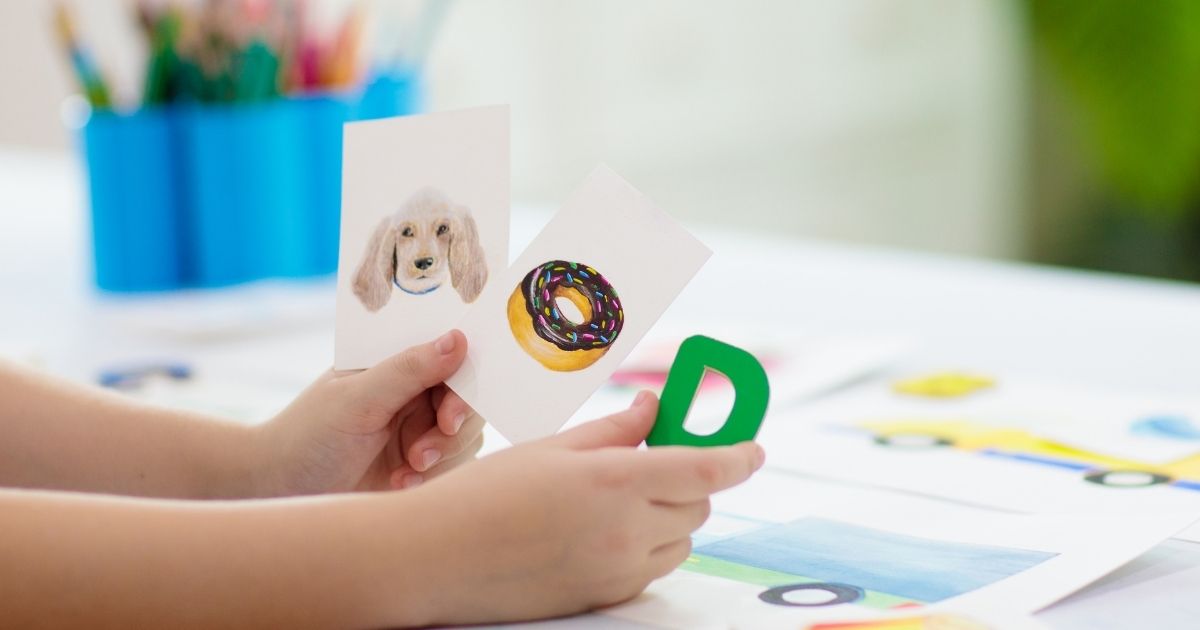
When your child can hear sounds in words, introduce a few letter sounds. Not the whole alphabet. Start with a small group of common letters that can make real words, such as s, a, t, p, i and n.
Teach the sound, not the name. “S” is “sss,” not “ess.” Use objects, actions and lots of repetition. Move on to new sounds only when the current ones feel easy.
Stage five is real books
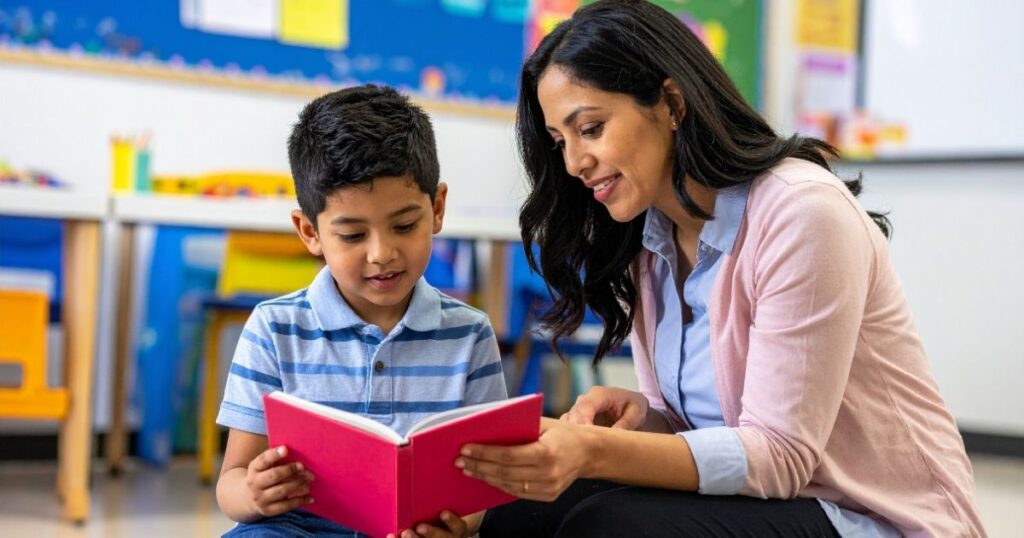
Look for simple books that mostly use words your child can sound out. Let them read a page, then you read a page. Talk about the pictures. Ask what might happen next.
Do not worry if they want the same book every night for two weeks. Rereading builds fluency and confidence.
Five early reading tips that make a big difference
- Read aloud to your child every day, even after they start reading themselves.
- Keep sessions to ten minutes or less for under-sixes.
- Praise effort and attempts, not only correct answers.
- Let your child see you reading, whether it is a newspaper, a recipe or a book.
- Never compare their pace with a sibling or a neighbour’s child.
Reading at home for kids should feel safe and enjoyable. Children who feel pressured often start to avoid books, which is the opposite of what any parent wants.
What a typical week can look like
A loose plan makes daily practice easier to keep up. You might try something like this for a child who already knows a few sounds.
- Monday, introduce one new sound with objects and games.
- Tuesday, practise blending words with the new sound.
- Wednesday, read short sentences that include those words.
- Thursday, revise older sounds and play a word game.
- Friday, read a simple book together.
- Weekend, read aloud for fun, no teaching at all.
Some weeks you will skip a day or two. That is fine. What matters is that reading appears in your child’s life almost every day in some small form, and that it stays a warm, shared time rather than a task.
Also read
Call to action
If you want a step by step method to teach your child to read, Honey Maheshwari’s All About Phonics books and Recorded Phonics Course for Mothers are available at honeymaheshwari.in. Call +91 86795 44344 to find the right starting point.
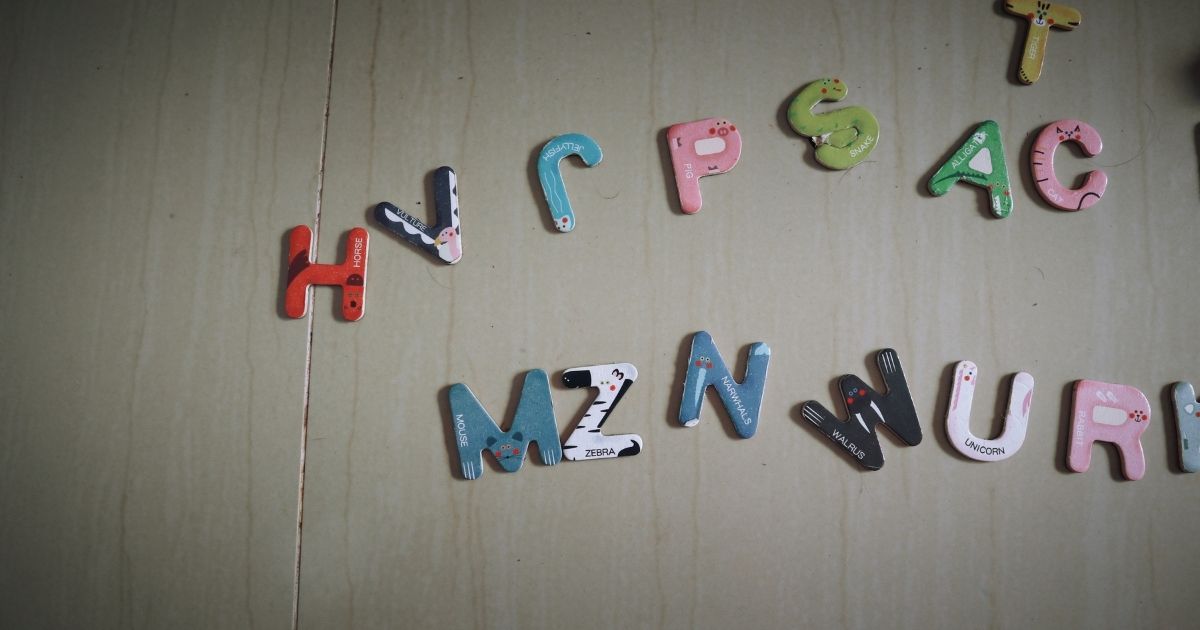
Stage three is blending into words
With six or so sounds, your child can already read words like “sat,” “pin,” “tap” and “nap.” Show them how to say each sound and then push them together. At first it will be slow and clunky. That is normal.
This is the stage where many children suddenly get excited about reading, because they realise they can work out words by themselves.
Stage four is little sentences
Once your child can blend several three-letter words, add a few very common words that do not follow the rules, like “the,” “is” and “I.” Now they can read tiny sentences. “I sat.” “The cat is fat.”
Write these on paper strips and let your child read them aloud to a grandparent or a favourite soft toy. A real audience makes it feel important.

livelihoodparenting

