























Sight Words vs Phonics, and Why Your Child Needs a Bit of Both


Some schools send home long sight word lists and ask children to memorize them. Others focus almost entirely on phonics. Parents caught between the two often feel they have to pick a side.
The sight words vs. phonics debate makes more noise than it needs to. Children need phonics as the main road into reading and a small number of sight words to handle the bits of English that do not follow the rules. The real question is the order and the balance.
What phonics gives a child that memorizing cannot
Phonics teaches a child how to work out a word they have never seen. Once they know the sounds and can blend them, every new word is a puzzle they can solve on their own.
Memorising whole words works for a while. A child can learn fifty or a hundred words by shape. But English has tens of thousands of words, and nobody can memorize them all. Children who rely only on memory tend to hit a wall around the time books get longer, usually in Class 2 or 3, and that is when parents start to worry.
Where sight words fit in
Some very common words simply do not follow the usual sound rules. “The,” “said,” “was,” “are,” “you,” “they.” Try sounding out “said” letter by letter, and you get something that is not a word at all.
Many phonics programs call these tricky words. They appear so often in children’s books that a young reader cannot get through a single page without them, so they are taught as a small set to recognize on sight.
Notice the word “small.” A child needs a handful of tricky words at the start, adding a few more as they go, not a list of two hundred to learn by heart in the first term.

When the school sends a long sight words list
You do not have to fight the school. Look through the list with a pencil. Tick the words your child can already sound out with phonics. Circle the ones that really are irregular. Practise the circled ones as sight words, a few at a time, and treat the rest as normal reading practice.
Most parents find the list shrinks to something manageable very quickly.
Simple ways to practice tricky words
Tricky words need a different kind of practice from regular words, because they cannot be sounded out. Repetition in many different forms works best.
Write each tricky word on a card in a bright color. Show it, say it, and ask your child to say it back. Then hide the cards around the room and ask your child to find “said” or “they.” Play a quick memory game with two copies of each card face down. Ask your child to spot the word in the storybook you read at bedtime.
Keep the set small, around five words at a time. When your child reads all five instantly for a few days in a row, swap one out for a new word. This steady rotation stops the list from feeling endless.
Also read
Call to action
Honey Maheshwari helps parents teach reading through phonics at home. Her books, e-books, and recorded courses are available at honeymaheshwari.in, or call +91 86795 44344 to talk it through.
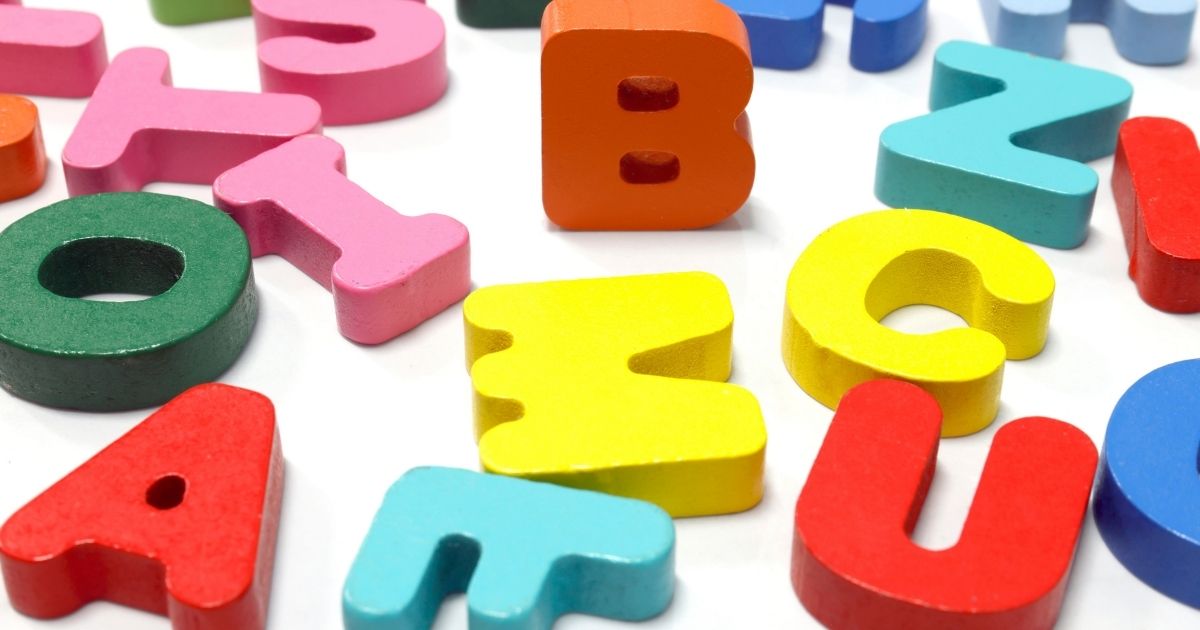
High-frequency words are not always tricky.
Here is a point that often gets lost. Many words on school sight word lists are actually perfectly regular. “And,” “it,” “in,” “can,” “big,” “up.” These are high-frequency words, meaning they show up a lot, but a child can sound them out using basic phonics.
There is no reason to memorize these as shapes. Let the child read them the phonics way. They will become automatic quickly anyway, because the child sees them on every page.
A sensible order for most children
Most children do well with something like this.
- Learn a first group of letter sounds and start blending simple words.
- Introduce three or four tricky words, such as “the,” “I,” “to,” and “no,” so they can read short sentences.
- Keep building sounds and blending, with a few new tricky words each week.
- Let the child read simple books that mix decodable words and the tricky words they know.
This way the child learns to see reading as working things out, with a few exceptions to remember, rather than as a giant memory test.

livelihoodparenting