














Reading Readiness Signs to Watch for in Your Preschooler

Starting phonics too early can make a child feel they are failing at something they were never ready for. Starting too late can mean a bored child who already wanted to read months ago. Neither is a disaster, but it helps to know where your child is.
Reading readiness signs are less about age and more about small skills that show up in everyday play. Here is what to look for.
Your child plays with words
A child who laughs at silly rhymes, invents nonsense words or notices that “Rohan” and “rose” start the same way is showing a key pre reading skill. They are beginning to hear the sounds inside words, separate from the meaning.
You can test this gently. Say “cat, hat, bat, dog” and ask which one does not fit. If they can spot it most of the time, their ear is getting ready.
They notice print around them
Many young children start pointing at signs, labels and logos and asking “what does that say?” They may recognise the name of a favourite biscuit or a shop they visit often. They may pretend to read by running a finger under the words in a book.
This tells you they understand that marks on paper carry meaning, which is one of the earliest steps towards reading.
Their hands are getting stronger
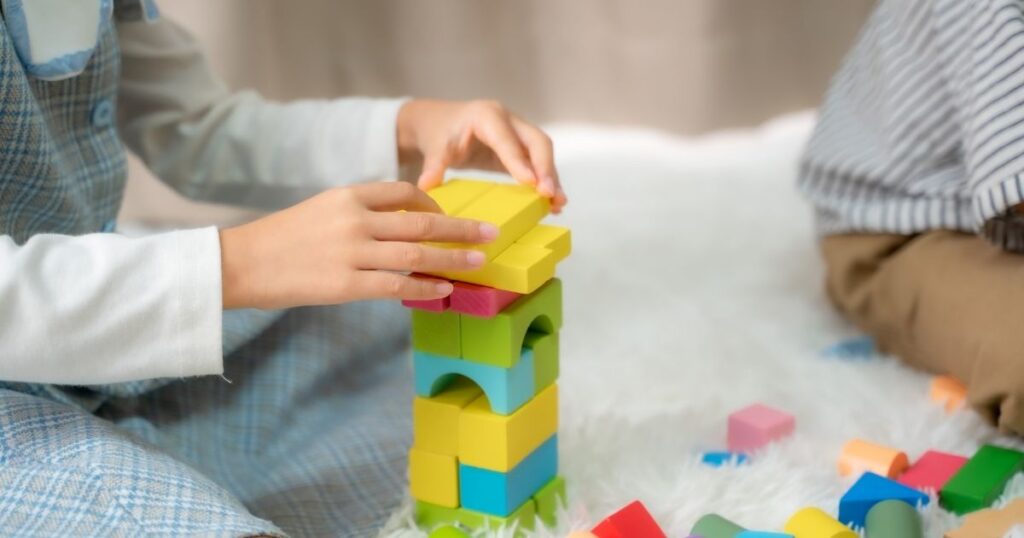
Writing is not the same as reading, but the two grow together. A child who can hold a crayon in a reasonably steady grip, tear paper, string beads or roll small balls of dough is building the fine motor control they will need to form letters later.

When it is better to wait
If your child shows very few of these signs, it is completely reasonable to hold off on formal phonics and focus on rhymes, stories and play for a while longer. Readiness often arrives in a rush. A child who showed no interest at four may suddenly want to read everything at four and a half.
If you have real concerns about speech, hearing, or attention, speak to your pediatrician. Those are worth checking separately and early.
Is my child ready to read? A quick self check
If you can say yes to most of these, your child is likely ready to begin.
- Enjoys rhymes and word games.
- Asks about letters or words they see.
- Can listen to a short story to the end.
- Follows a two-step instruction.
- Holds a crayon with some control.
Simple ways to build readiness through play
If your child is not quite ready yet, there is a lot you can do without any formal teaching. Read aloud every day, letting your child turn the pages. Sing rhymes and leave out the last word so they fill it in. Play “I spy” with first sounds. Give them crayons, dough and beads to strengthen their fingers.
Talk a lot, too. Describe what you are doing while you cook. Ask open questions about their day. A child with a rich spoken vocabulary has a much easier time when reading begins, because the words they sound out already mean something to them. All of this counts as preparation, even though none of it looks like a lesson.
Also read
Call to action
When your child is ready, Honey Maheshwari’s phonics books and recorded courses offer a gentle place to begin preschool reading at home. Explore them at honeymaheshwari.in, or call +91 86795 44344.
They can sit with a book for a few minutes
Attention span varies hugely between children, and a three-year-old will never sit still like a seven-year-old. But a child who can listen to a short picture book from start to finish, or turn pages on their own and look at the pictures, is usually ready for short phonics sessions.
If your child cannot settle for more than a minute or two, that is fine. Keep reading aloud and try again in a few months.
They can follow simple two-step instructions
“Pick up your shoes and put them by the door.” Being able to follow an instruction like this shows working memory, which matters for blending sounds into words. A child has to hold the first sound in mind while adding the next.
This one often surprises parents, because it has nothing to do with letters. But it often gives a hint about how smoothly early blending will go.
livelihoodparenting