















Phonics for 3 Year Olds, What to Teach and What to Leave for Later

Three is early, and that is fine
A neighbour’s child is already “reading” at three, the playschool sends home an alphabet chart, and suddenly you wonder whether your own toddler is behind. Take a breath. Phonics for 3 year olds should look very different from phonics for six year olds. At this age, the aim is not reading. It is building the listening skills and the love of sounds that make reading easy later.
Pushing formal lessons too early often backfires. A child who learns to dread “study time” at three can carry that feeling into school. A child who thinks sounds are a fun game will walk into Class 1 curious.
What a three year old can really learn
Most three year olds can enjoy rhymes and songs, notice that some words sound alike, clap along to syllables and start to link a few sounds with familiar pictures. Some will learn several letter sounds. Some will not be interested yet. Both are normal.
What they generally should not be asked to do is sit for long writing practice, read words on demand or memorise the full alphabet in order. Their hands, eyes and attention are simply not ready for that kind of work, and that is a matter of development rather than ability.
Early phonics at home in tiny moments
Three year olds learn in bursts of two or three minutes. So rather than planning a session, sprinkle sound play into the day. Name the first sound of things during bath time. Play “I spy” with sounds while waiting for the doctor. Sing a rhyme while putting on shoes.
Read aloud every day, even if it is the same favourite book for the fortieth time. Run your finger under the words now and then so your child notices that print goes from left to right. Talk about the pictures. Ask what might happen next. These habits do as much for reading as any phonics lesson.

What can wait until four or five
Writing letters with a pencil, blending sounds to read words, and learning digraphs like “sh” and “ch” can all wait. Most children are ready for these between four and six. If your three year old wants to try, let them, but follow their lead and stop the moment it stops being fun.
Formal worksheets and screen based “learning apps” can also wait. A toddler learns far more from talking with an adult than from tapping a screen, because conversation teaches new words, turn taking and listening all at once.
Signs your child is ready for more
You might see your child spontaneously pointing out sounds, asking “what does that say?” about signs, or trying to write their own name. These are signals that they are ready for gentle, structured phonics. Until then, keep playing.
Also read
Start gently with Honey Maheshwari
My Alphabets Sound Fun Book is made for little ones who are just beginning to link sounds and letters, and it suits short, playful sessions at home. Parents who want to understand how to start phonics without pressure can look at the Recorded Phonics Course for Mothers. Reach Honey Maheshwari on +91 86795 44344, at ma**@*************ri.in, or through the Contact page on honeymaheshwari.in.

Teaching phonics to toddlers through songs and rhymes
Nursery rhymes are phonics in disguise. “Twinkle Twinkle”, “Johny Johny” and Hindi rhymes like “Machli Jal Ki Rani Hai” all repeat sounds and patterns that train a young ear. Sing them often, slow down on the rhyming words and sometimes leave the last word out so your child fills it in.
Make up your own silly versions too. “Twinkle twinkle little car” or “Johny Johny yes papa, eating sugar, no papa, eating kela?” Children love it when an adult gets a rhyme wrong on purpose, and correcting you shows they are listening carefully.
Letter sounds for toddlers, not letter names
If your child shows interest in letters, teach the sound rather than the name. Say /m/ for M, not “em”. Sounds are what children will use to read, and learning names first can actually confuse them later when “em” does not help them read “mat”.
Pick sounds that matter to your child, such as the first sound of their own name, Mumma, Papa or a pet. Point them out on cereal boxes, number plates and storybook covers. “Look, there is /m/ like Mumma!” A few sounds learned joyfully are worth more than twenty-six learned under pressure.
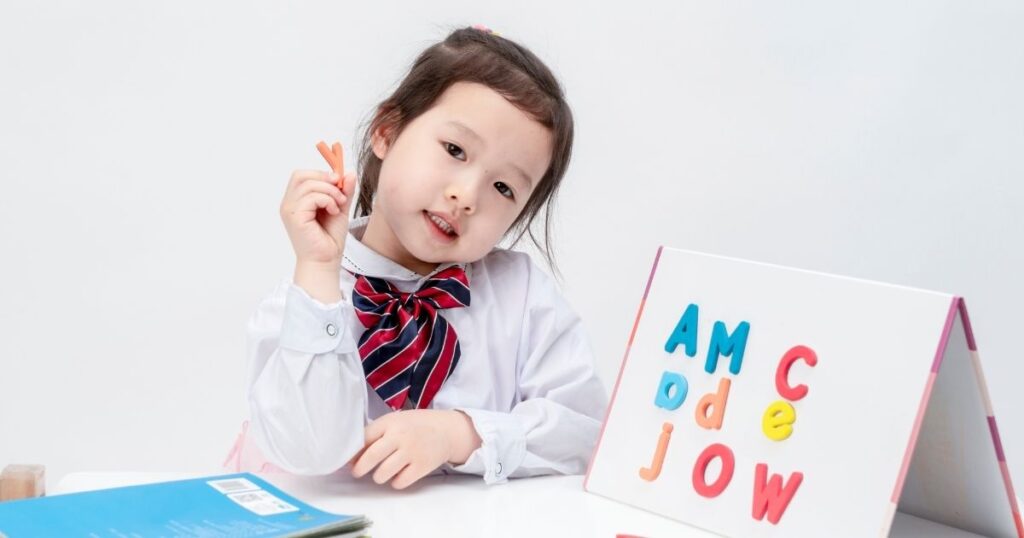
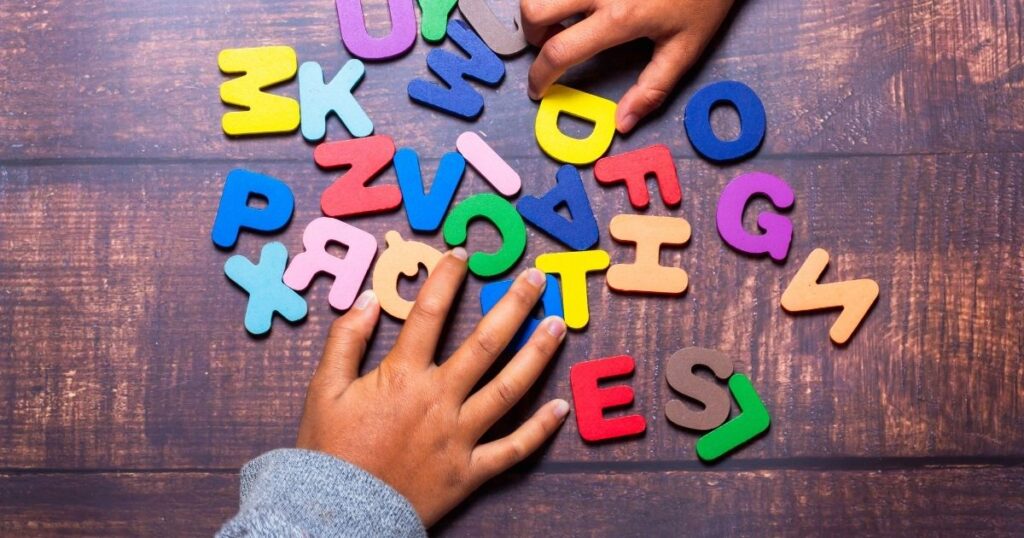
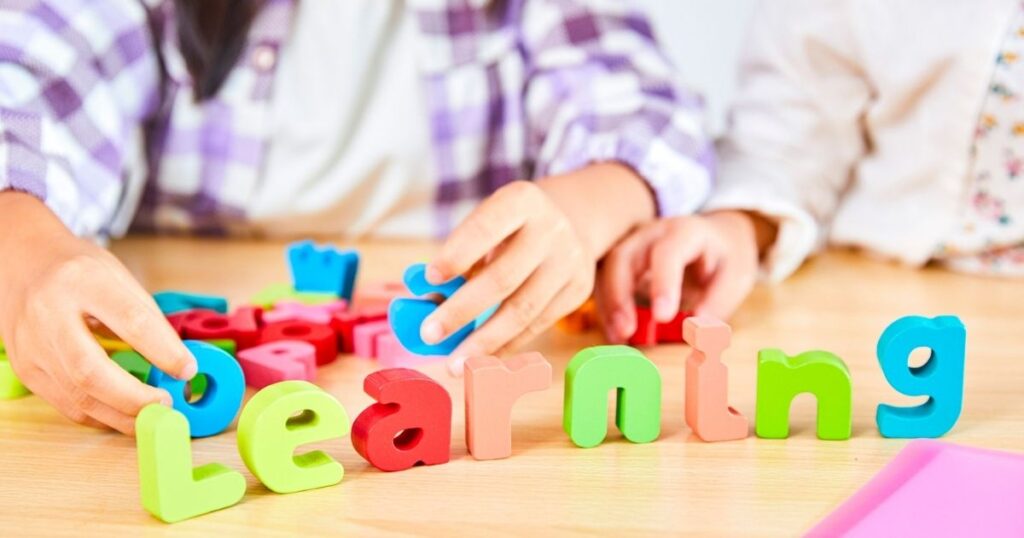
Tactile letters help a lot at this age. Letters cut from sandpaper, traced in a tray of atta, or shaped from play dough let children feel the shape while they say the sound. Movement and touch make the memory stick.
livelihoodparenting