





















Decodable Books for Kids and Why They Beat Pretty Picture Books at First


A mild disagreement with the bookshop shelf
Walk into any bookshop and the “first readers” shelf is full of bright, beautiful books. Many of them are lovely for reading aloud. But hand one to a child who has just learned their sounds, and they quickly hit words like “beautiful”, “giraffe” or “because”. They cannot sound these out, so they guess from the pictures. That guessing habit is hard to undo.
Decodable books for kids take a different approach. Almost every word in them uses only the sounds and patterns your child has already been taught. A child who knows short vowels and a few consonants can read the whole book by sounding out. Nothing is a guess. That makes them the right tool for the first stage of reading, even if they are not as fancy.
What makes a book decodable
A decodable book is written to match a phonics sequence. Early books might use only words like “cat”, “sat”, “pin” and “top”. Later books add blends, then digraphs like “sh” and “ch”, then long vowels. A small number of common tricky words, such as “the” and “was”, are usually included and taught separately.
The stories are simple, sometimes a bit silly. “Sam sat on a red mat” will not win any prizes. But the child reads it alone, and that feeling of reading a whole book without help is what keeps them going.
Keep reading aloud the rich books
Decodable books are for your child to read. They do not replace the books you read to your child. Keep reading rich stories, Panchatantra tales, picture books and longer chapter books aloud. These build vocabulary, imagination and a love of stories that decodable books cannot give on their own.
Think of it as two tracks running side by side. On one, your child practises reading with books they can decode. On the other, they enjoy stories well above their reading level by listening to you.
When to move on from decodable books
As your child learns more patterns, decodable books naturally become more varied. Once they can read most common patterns, including long vowels and common endings, they are ready for regular early reader books. Most children make this shift somewhere between Class 1 and Class 2, though every child’s timing differs.
Books for beginner readers should match what was taught
The key is matching the book to your child’s current phonics level. If they know short vowels but not digraphs, a book full of “ship” and “chat” will frustrate them. Check the first pages before reading. If your child struggles with more than one word in ten, the book is too hard for independent reading right now. Set it aside for later and read it together instead.
Many decodable series are labelled by level or by the sounds they cover. Even without labels, you can check by asking yourself whether every word uses sounds your child knows.
How to read phonics readers together
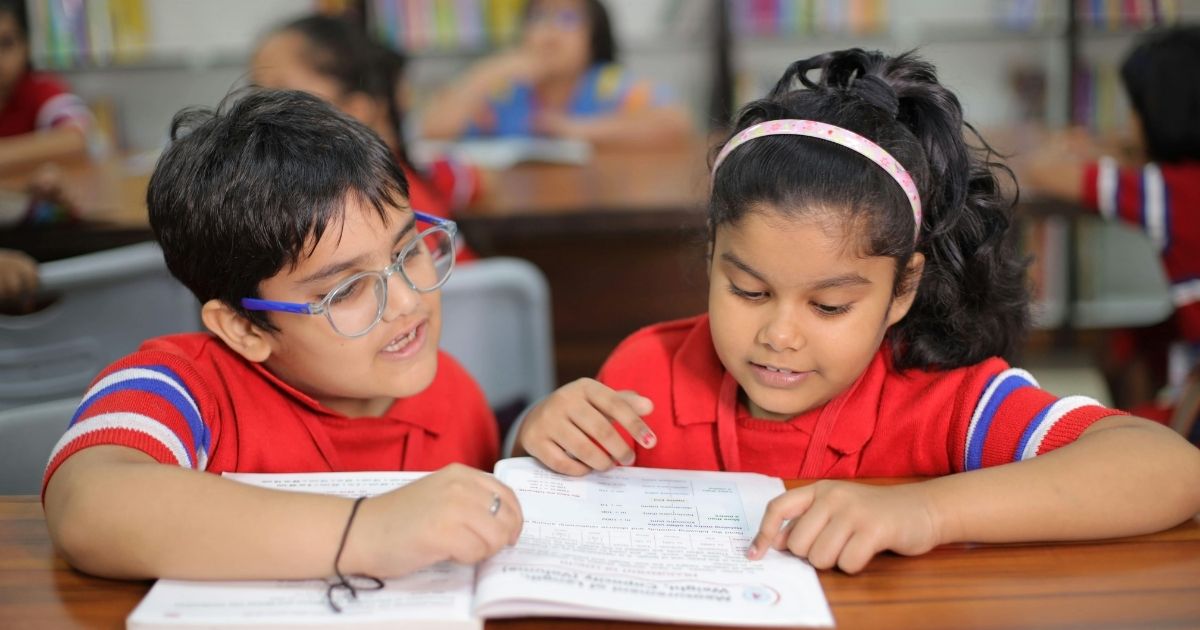
Let your child read the book on their own first while you listen. Wait when they pause, and give them time to sound out. If they get stuck, point to the tricky sound rather than saying the word. Praise the effort of sounding out, not only the right answer.
Then reread the same book the next day. Rereading decodable books builds fluency, because the words become familiar and the child starts reading in phrases rather than single sounds. Two or three readings of the same book across a week is normal and useful.
Talk about the story too. Even simple decodable stories have a beginning, a middle and an end. Asking “what happened to Sam?” reminds your child that reading is about meaning, not just sounds.
Make your own decodable stories
If you cannot find decodable books easily, write your own. Use only the sounds your child knows and write three or four short sentences, one per page. Let your child illustrate it. Early reader books made at home often become favourites, and they cost nothing.
Also read
Read with the right words from Honey Maheshwari
The All About Phonics Book Level 1 and Level 2 follow a clear sound order, with words and sentences that work as decodable reading practice at home. The Advanced Phonics Practice Words and Worksheets PDF gives more reading material once your child is ready. Reach Honey Maheshwari on +91 86795 44344, at ma**@*************ri.in, or through the Contact page on honeymaheshwari.in.

livelihoodparenting