



























Building Self Confidence in Kids Without Praising Everything


Praise is not the same as confidence
Many loving parents try to build confidence by praising everything. Every drawing is “amazing”, every answer “brilliant”. The intention is kind. But children are sharp. They soon notice that the praise comes no matter what, and it starts to mean less. Some begin to fear trying anything difficult, because failing might break the “brilliant” label.
Building self confidence in kids works differently. Real confidence comes from a child’s own experience of trying something hard, struggling a bit and then managing it. Parents cannot hand it over. They can, though, create plenty of chances for it to grow.
Let them do things for themselves
Confidence starts with small independence. A four year old can put on their own shoes, carry their plate to the kitchen and choose between two shirts. A seven year old can pack their school bag, pour their own water and order at a shop counter. Each small task done alone tells the child “I can”.
It is often quicker to do things for them, especially on busy mornings. Try to leave a bit of extra time for at least one task a day that your child does alone, even if the result is not perfect. A slightly crooked shirt is a fair price for a child who feels capable.
Confident child tips for shy children
Shy children are not lacking confidence in everything. Many are confident at home and quiet outside. Respect that. Do not label them as “shy” in front of others, because labels tend to stick. Instead, give them small, safe chances to speak up, such as asking a shopkeeper for an item while you stand nearby or greeting a familiar neighbour.
Practise at home first. Role play ordering food or introducing themselves. A child who has rehearsed a situation feels much more ready when it happens for real.
Self esteem in children and the words they hear
Children often repeat in their own heads what they hear from adults. If they hear “you are so careless”, they may start to believe it. Try to describe the behaviour rather than the child. “Your bag was left in the van” is more useful than “you always lose things”.
Notice your own self talk too. A parent who says “I am useless at maths” in front of a child teaches them that ability is fixed. Saying “I find this tricky, let me work it out” models a more helpful attitude.
How to build confidence in a child through effort
Praise the effort and the method, not just the result. “You kept trying that puzzle even when it was hard” or “You sounded out every word in that sentence” tells your child what they did that worked. It also teaches them that effort matters, which helps them keep going next time something is difficult.
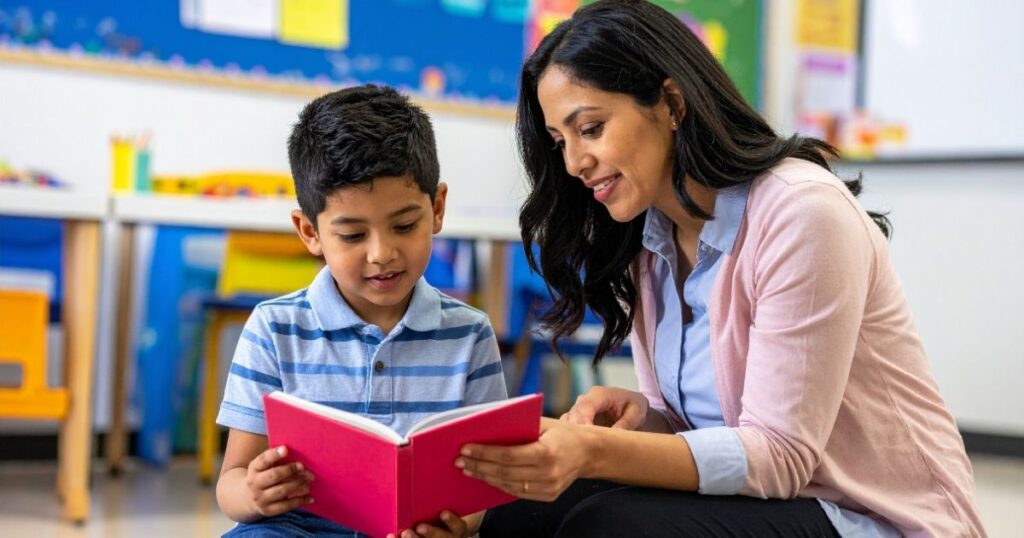
When they do well, ask them how they feel about it before telling them how you feel. “You read the whole book, how does that feel?” This helps children learn to judge their own work rather than waiting for an adult’s verdict.
Let small failures happen
It is hard to watch a child struggle, but stepping in too fast sends a message that they cannot cope. When your child is stuck on a task, wait a moment before helping. Ask “What could you try?” If they still need help, give a hint, not a full solution.
When something goes wrong, such as losing a game or getting a sum wrong, talk about it calmly. “That was disappointing. What could you do differently next time?” Children who learn that mistakes are normal and fixable become braver about trying new things.
Skills build confidence too
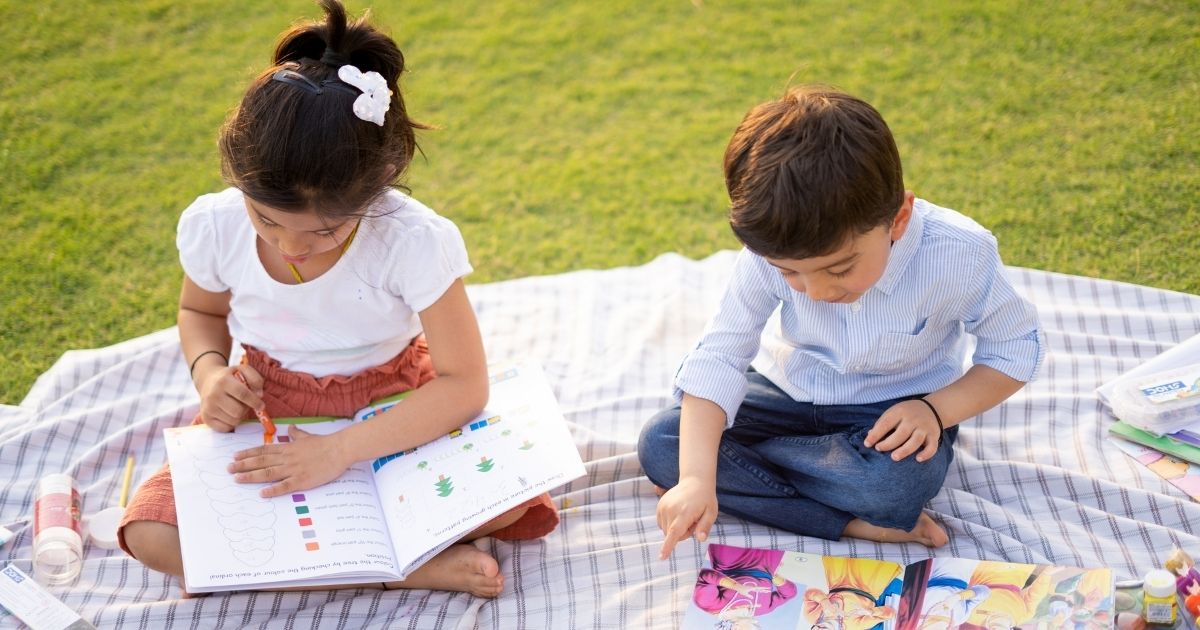
Being able to do something well is a strong source of confidence. Reading is a big one in the early years. A child who reads comfortably raises their hand in class, enjoys books and feels clever. A child who struggles may start to believe they are “not good at studies” long before that is true. Supporting a key skill like reading can lift a child’s confidence across many areas.
Also read
Grow confident learners with Honey Maheshwari
The Recorded Phonics Course for Kids helps children build reading skills step by step, and many parents notice their child becomes more willing to try once reading feels easier. For guidance on confidence, behaviour and family routines, Honey Maheshwari offers 1-on-1 guidance and parenting courses. Reach her on +91 86795 44344, at ma**@*************ri.in, or through the Contact page on honeymaheshwari.in.

livelihoodparenting