























B and D Confusion in Kids, and the Simple Tricks That Fix It

Before you worry, know how common this is
Your child reads “bog” for “dog”, writes “bab” for “dad” and seems to see the letters flip around at random. It is easy to panic and type “dyslexia” into a search bar. Take a pause first. B and d confusion in kids is one of the most common early reading mistakes, and many children mix these letters up until around six or seven.
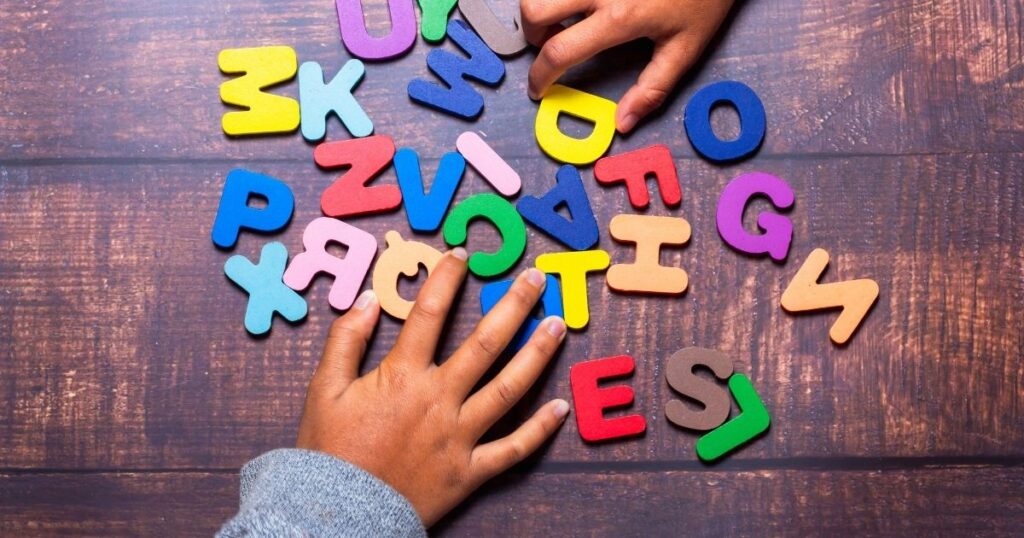
There is a simple reason. In everyday life, an object stays the same object whichever way it faces. A cup is a cup if the handle points left or right. Young brains apply this rule to letters, and b and d are exactly the same shape, just flipped. Learning that direction changes meaning for letters takes time.
Teach b and d at different times
One of the most useful steps happens at the very start. If possible, teach b and d a few weeks apart rather than together. Let your child get completely comfortable with one letter before introducing the other. When both arrive at once, the brain files them in the same place and confusion follows.
If they have already learned both, you can still focus on just one for a while. Make b the “star letter” for a week. Find b words, trace b, and only bring d back once b feels solid.
Letter reversal in children who mix up other letters too
Some children also mix p and q, or write numbers like 3 and 7 backwards. In young children, this is still usually a matter of development. Use the same ideas. Teach one at a time, give each a different starting stroke and offer a physical cue.
A visual reminder on the study table helps as well. Stick a small card showing “bed” with b and d clearly marked. Your child can glance at it while working instead of asking you every time, which builds independence.
Mixing up b and d while reading
When your child misreads “dig” as “big”, do not just say the right word. Point to the first letter and ask, “Is that the bat letter or the duck letter?” Linking b to a bat and d to a duck, with a small drawing of each, gives them a picture to recall. Then let them reread the word.
Avoid making a big deal of every slip. Too much attention can make a child anxious, and anxious readers tend to make more mistakes. Calm, short reminders work better.

When to talk to someone
If reversals continue well past seven or eight, appear with other reading struggles such as great difficulty in hearing sounds or remembering simple words, or cause your child real distress, it is worth speaking with the class teacher or a qualified specialist. For most children, though, the confusion fades with practice and patience.
Also read
Practise letters with Honey Maheshwari
My Alphabets Sound Fun Book helps young children link each letter shape with its sound, which is a good base for separating b and d. The 100 Printable Worksheets PDF gives extra tracing and reading practice at home. Parents who want to understand the teaching steps can look at the Recorded Phonics Course for Mothers. Reach Honey Maheshwari on +91 86795 44344, at ma**@*************ri.in, or through the Contact page on honeymaheshwari.in.

The bed trick
This is a favourite with parents and teachers. Ask your child to make two fists with thumbs pointing up and hold them side by side, knuckles facing each other. The left hand makes the shape of b and the right hand makes d. Together, they look like a bed, and the word “bed” starts with b and ends with d.
Whenever your child gets stuck while reading, they can quietly make the bed with their hands and check. It is a self check tool they carry everywhere, even into a classroom test.
B d reversal tricks for writing
Writing often matters more than reading for fixing reversals, because the hand learns the direction. Teach b as “stick first, then the ball”, the line comes down and the bump comes after it. Teach d as “c first, then the stick”, because d starts like the letter c that your child already knows. Starting each letter with a different stroke makes them feel different to write.
Say the stroke out loud while writing. “Down the stick, up and round” for b. “Round like c, then up and down” for d. Saying it while doing it ties the movement and the words together.

livelihoodparenting