























Read Aloud Tips for Parents Who Feel Awkward Doing Voices


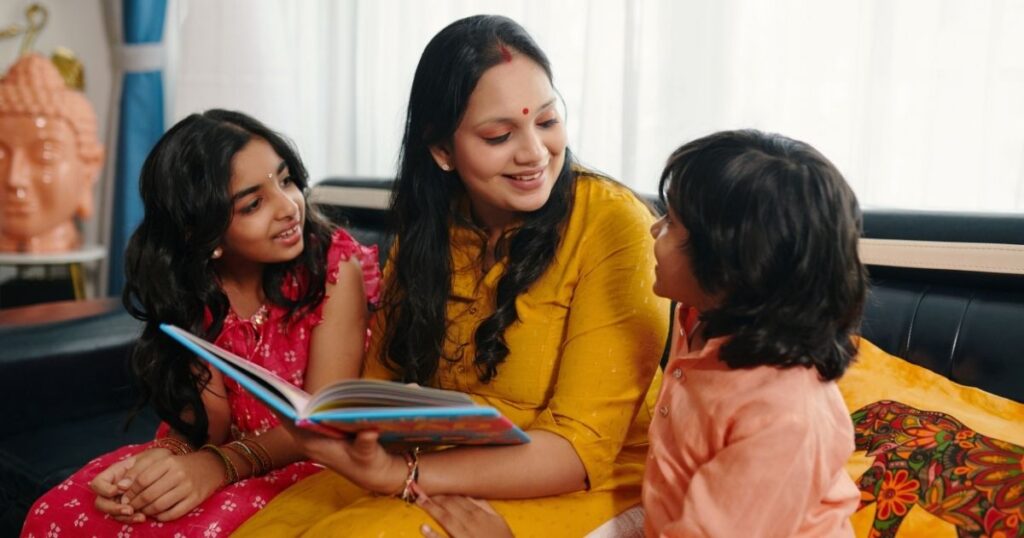
You do not need to be a performer
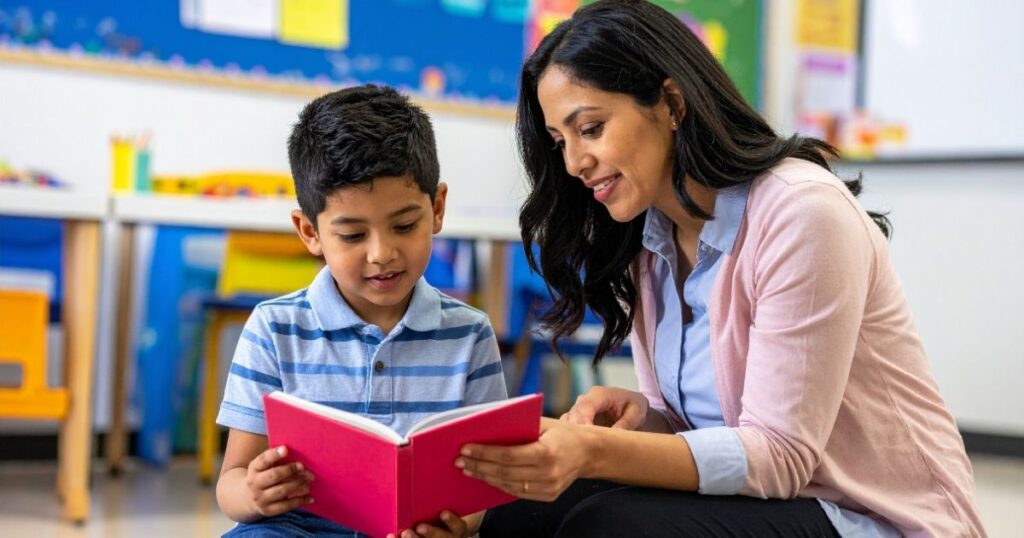
Many parents say they do not read aloud because they feel silly doing voices, or because their English accent is not “good enough”. Neither matters. Your child does not want a radio play. They want you, sitting close, sharing a story. A parent who reads in a plain, warm voice every night does far more for a child than a perfect performer who reads once a month.
Still, a few small habits make story time richer and easier. These read aloud tips for parents come from what works in real homes, with tired adults and wriggly children.
Pick books a little above your child’s level
When you read aloud, your child does not need to read the words. So choose books slightly harder than what they can read alone. Longer sentences, richer words and more complex plots stretch their understanding and vocabulary. A five year old can enjoy a chapter book read over several nights, even though they could not read a single page of it themselves.
Mix languages if your home does. Reading aloud in Hindi one night and English the next is perfectly fine. Stories in any language build listening, imagination and the habit of paying attention to a book.
Story time at home that fits a busy day
Bedtime is the classic time, but it is not the only one. Ten minutes after lunch on a weekend, a story while waiting at the doctor’s clinic, or a short poem during breakfast all count. Some families keep a book in the car for traffic jams. The point is regular contact with books, not a perfect routine.
If both parents work long hours, grandparents can be wonderful readers too. Many children treasure stories told by a Dadi or Nana, whether read from a book or told from memory. Telling stories without a book still builds vocabulary and listening.
Benefits of reading aloud that last for years
Children who are read to regularly tend to hear many more words than those who are not, simply because books use words that do not come up in everyday talk. “Enormous”, “whispered” and “suddenly” become familiar long before your child meets them in their own reading. That familiarity makes reading easier later, because the words already make sense.
Reading aloud also builds attention span, gives children a model of fluent reading and creates a calm, shared moment at the end of the day. Many adults remember the books their parents read to them for decades.

Reading aloud to children works best with pauses
The single most useful trick is to slow down. Many adults read aloud too fast, especially when tired. Pause at the end of each page. Pause before a surprise. Let a funny line land before moving on. Pauses give your child time to picture the scene and to react.
Pauses also invite questions. A child who stops you to ask “why is the tiger angry?” is thinking about the story, and that is exactly what you want. Do not rush to finish the page. A five minute detour into a question is time well spent.
Ask questions, but not too many
A few questions during and after reading build comprehension. Try “What do you think will happen next?” before turning a page, or “How would you feel if you were the little monkey?” at an emotional moment. After the story, ask what part they liked best and why.
Avoid turning story time into a quiz. If every page ends with a question, children start to dread reading. Two or three questions in a story is plenty. Follow their lead. Some nights they want to talk about every picture, and some nights they just want to listen.

Keep reading after your child can read alone
Parents often stop reading aloud once their child starts reading independently. Keep going if you can. Older children still benefit from hearing harder books than they can manage alone, and the closeness of shared reading matters even at nine or ten. Take turns reading pages if they want to join in.
Also read
Grow a confident reader with Honey Maheshwari
Reading aloud builds the ear, and phonics builds the decoding. The All About Phonics Book Level 1 and Level 2 help your child start reading on their own at home, while the Recorded Phonics Course for Mothers shows parents how to support both reading aloud and phonics practice. Honey Maheshwari also offers parenting courses and live workshops. Reach her on +91 86795 44344, at ma**@*************ri.in, or through the Contact page on honeymaheshwari.in.

livelihoodparenting